What to Pack for Svalbard
The big expensive coat is usually the wrong purchase. It is the layer underneath and the thing on your feet that decide how your day goes.
 Verified by Lars Hansen, Norway tour specialist covering Arctic Norway and Svalbard
Short answer
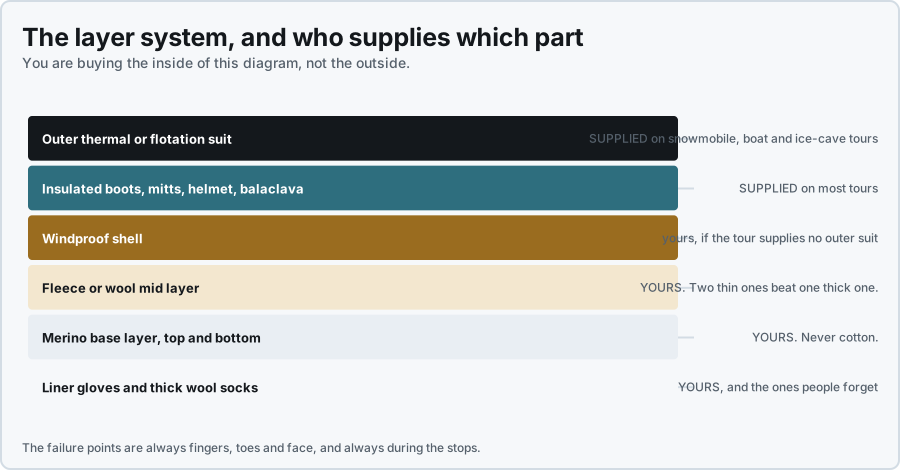
On snowmobile, boat and ice-cave tours the operator supplies the outer thermal or flotation suit, boots, gloves and helmet. What you bring is the base and mid layers underneath, plus a hat, liner gloves, thick socks and something over your face. Buying an expedition parka for one trip is the commonest expensive mistake, and several Longyearbyen operators rent full outer kit for a fraction of it.
Somebody in Longyearbyen has bought a very expensive down parka they will never wear again. Probably several people, this week. It is the classic Svalbard purchase and it is usually unnecessary, because the operator was always going to hand you a thermal suit at the door.
What nobody hands you is what goes underneath, and that is what decides whether you enjoy the day.
What do Svalbard tour operators supply?
On snowmobile, boat and ice-cave tours: the outer thermal or flotation suit, boots, gloves, a balaclava and a helmet. On hikes and town tours: usually nothing except safety equipment, snowshoes or crampons where the route needs them. The listing states it, so read that before buying anything.
| Tour type | Supplied | You bring |
|---|---|---|
| Snowmobile | Thermal suit, boots, gloves, balaclava, helmet | Base and mid layers, hat, liner gloves, thick socks |
| Boat and sea-floating | Flotation or thermal suit | Base and mid layers, hat, gloves, sunglasses |
| Ice cave | Crampons, helmet, head torch, plus a thermal suit on snowmobile approaches | Warm layers, waterproof trousers on snowshoe versions |
| Hiking, summer | Safety equipment, sometimes boots for hire | Everything. Waterproof boots are the key item. |
| Hiking, winter snowshoe | Snowshoes, poles | Full winter clothing, waterproof shell |
| Longyearbyen town tours | Nothing needed | Ordinary warm clothes and shoes you can take off indoors |
Visit Svalbard's visitor FAQ covers what individual operators lend and what they expect you to arrive with, and it varies more than you would think. That last row is not a joke: shoes come off indoors everywhere in Svalbard, in guesthouses, museums and some restaurants, a habit left over from the coal-dust era. Pack socks you are content to be seen in.
What should you actually buy?
Base layers, a warm mid layer, a hat, liner gloves, thick socks and a windproof shell. Merino wool over cotton, always. Wind is what makes Svalbard cold, not the thermometer, and there is nothing to shelter behind at any point.
| Item | Why | Notes |
|---|---|---|
| Merino base layer, top and bottom | Cotton holds sweat and then freezes it against you | Two sets so one can dry |
| Fleece or wool mid layer | The actual insulation | Bring two thin ones rather than one thick |
| Windproof shell | Wind is the whole problem | Only needed if the tour does not supply an outer suit |
| Warm hat covering the ears | The obvious one people still forget | |
| Liner gloves | So you can work a camera without bare hands | The single highest-value item on this list |
| Over-mitts | Warmer than fingered gloves, always | Often supplied |
| Thick wool socks | Two pairs, worn one at a time | Not two pairs at once, which restricts circulation |
| Buff or balaclava | Face, on snowmobiles especially | |
| Waterproof walking boots with ankle support | Summer hiking on scree and boggy tundra | Not trail runners |
| Sunglasses | Snow and water glare, and the sun never sets in summer | Genuinely necessary in April and May |
| Sunscreen | Same reason | People get burned in June regularly |
Should you hire clothing in Longyearbyen?
Yes, if you do not already own Arctic outer kit. Several Longyearbyen operators rent full outer sets for roughly £40 to £70 for a trip, against several hundred to buy a parka you will use once. Hire the outside, buy the inside.
Read what your own tour supplies before buying anything: the snowmobile and ice-cave combination, for instance, hands you the full outer suit, boots, mitts and helmet, and you can check the tour here to see its kit list. The economics are stark. A serious expedition parka costs more than a return flight from Oslo. A hired set costs about the same as one meal out. Unless you regularly spend time at these temperatures, hiring is obviously right.
What you cannot sensibly hire is the base layer, for the reason you would expect. Buy that.
What do people forget?
Liner gloves, spare camera batteries, an eye mask in summer, and their driving licence. The last one is not clothing but it stops people driving a snowmobile, and it happens constantly.
- Driving licence. A physical category B licence is required to drive on any snowmobile tour, a rule the Governor of Svalbard enforces alongside the rest of the outdoor regulations. A photo on your phone will not do. Operators check.
- Liner gloves. Every time you take a photograph in mitts you take the mitts off. Without liners that is bare skin at -15 °C.
- Spare batteries. Cold flattens them fast. Keep them in an inside pocket against your body. This matters most on an aurora evening, where you stand still for forty minutes: check price and dates here if that is on your list.
- A dry bag or plastic bag for the camera. Bag it before going into a warm building, or condensation forms on the sensor rather than the bag.
- Eye mask. For the midnight sun months. Curtains in Longyearbyen are good, but not always perfect.
- Binoculars. The single most useful optional item, because legal wildlife distances and open terrain mean most sightings are at range. See the wildlife guide.
- Cash. Almost none needed. Norway is close to cashless and cards work everywhere.
Packing by season
Winter and summer need the same system with different weights. The base layers stay, the outer weight changes, and the two additions in summer are waterproof boots and sun protection.
| Winter, Nov to Apr | Summer, Jun to Sep | |
|---|---|---|
| Base layers | Merino, two sets | Merino, one to two sets |
| Mid layer | Two thin fleeces or a thick one | One fleece |
| Outer | Usually supplied by the operator | Windproof and waterproof shell, your own |
| Footwear | Insulated boots, often supplied | Waterproof walking boots with ankle support, yours |
| Head and hands | Hat, balaclava, liners, mitts | Hat and light gloves, still needed on the water |
| Extras | Spare batteries, hand warmers | Sunglasses, sunscreen, eye mask, insect protection is not needed |
Which season you are packing for changes the trip more than the kit list does. The best time to visit guide works through the choice, and the month-by-month weather has the temperatures.
Common questions about packing for Svalbard
Do I need to buy a proper Arctic parka?
Almost certainly not. Snowmobile, boat and ice-cave tours all supply an outer thermal or flotation suit, and several Longyearbyen operators rent full outer kit for a trip at a small fraction of what buying costs. Spend the money on merino base layers and good socks, which nobody lends you and which do more for your comfort than the coat does.
What footwear do I need in Svalbard?
In winter, insulated boots, and most operators supply them for tours. In summer, waterproof walking boots with ankle support are the key item you must bring, because summer routes cross loose scree, glacial moraine and boggy tundra over permafrost. Trail runners will get you wet and turned ankles in equal measure.
Is it warm enough for normal clothes in summer?
No. Typical July temperatures in Longyearbyen sit between +3 and +7 degrees Celsius and it is colder on the water. This is genuine winter clothing weather by most people's standards, with the addition of sunglasses because the sun never sets. Pack as you would for a cold, windy British winter day.
Can I wear jeans in Svalbard?
In town, fine. On any tour, no. Denim is cotton, and cotton holds moisture and then freezes it against your skin, which is exactly the failure mode that makes people miserable and occasionally unsafe. Wear synthetic or wool trousers over a merino base layer, with the supplied outer suit on top.
What about camera gear in the cold?
Spare batteries in an inside pocket, swapped rather than discarded, because cold flattens them and they often recover once warm. A tripod for anything in polar night. Bag the camera before bringing it into a warm room so the condensation forms on the bag. Liner gloves so you can operate it without exposing skin. The photography tours supply guidance but not gear.