Why Svalbard Costs What It Costs
Not a tourist markup. An Arctic supply chain, a four-month season, a legal cap on group sizes and a guide who needs firearms training. Where every krone actually goes.
 By Lars Hansen, Norway tour specialist covering Arctic Norway and Svalbard
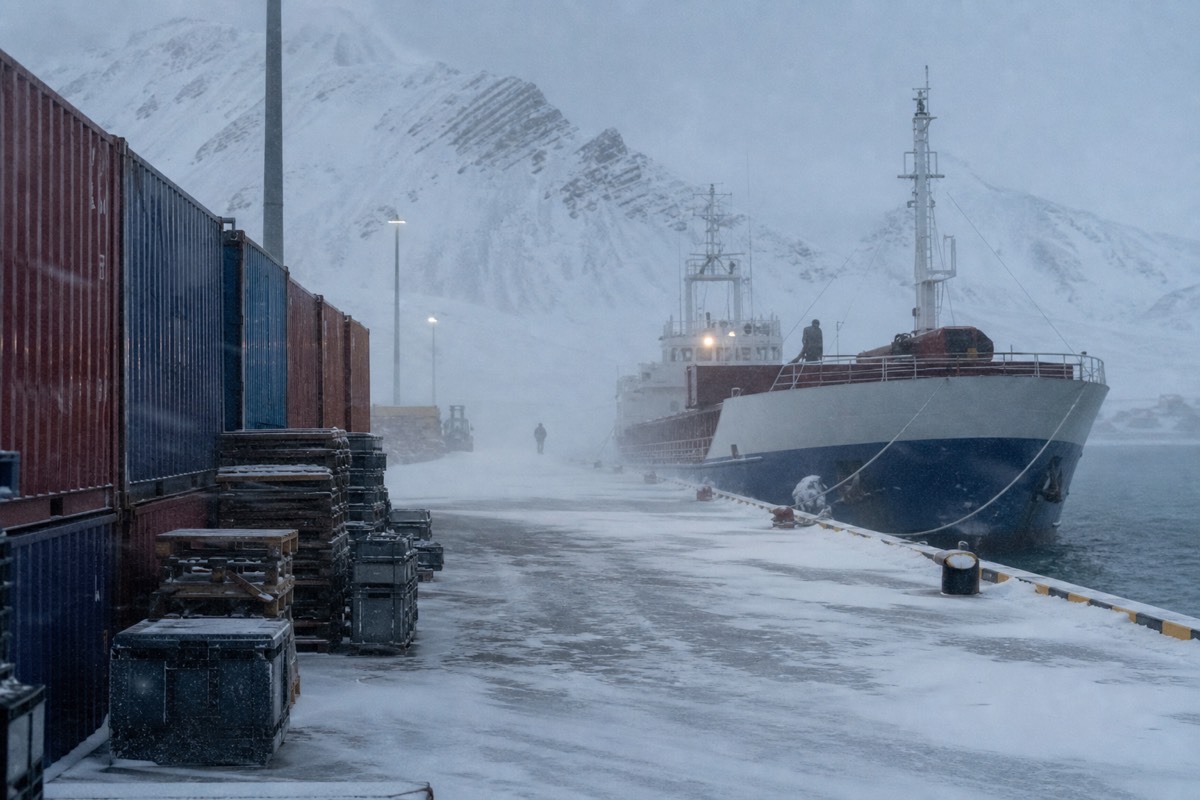
A jar of pasta sauce in the Longyearbyen supermarket costs about what a small meal costs in Oslo. That is not price gouging. That jar came by ship or by plane, across the Barents Sea, to an island with 2,500 people on it and no agriculture of any kind.
Once you understand that one fact, most of Svalbard's pricing stops being outrageous and starts being arithmetic. And the arithmetic produces a genuinely surprising result: the guided tours, the thing everybody expects to be extortionate, are the most reasonable line in the whole budget.
The tours are the cheap part
Across all 62 bookable listings, day-tour from-prices run $112 to $505 with a median of about $237. Set that against a night in a Longyearbyen guesthouse at £150 and up, with no cheaper tier beneath it, and the ranking is not what people expect.
| Line | Typical cost | Share of a four-night trip |
|---|---|---|
| Return flights from Europe | £330 to £650 | The largest single item |
| Accommodation, 4 nights | £600 to £1,120 | Usually the second largest |
| Guided tours, 3 booked | About £550 at median price | Smaller than either of the above |
| Food, 4 days | £180 to £400 | Depends entirely on self-catering |
| Clothing hire | £40 to £70 | Optional but sensible |
| Airport transfers | £30 | Fixed |
The counter-intuitive consequence: cutting tours to save money is the wrong lever. The fixed costs dominate so heavily that a third tour barely moves the total, while removing one removes a whole day of the reason you came. The full arithmetic is in the cost guide.
Where a tour price actually goes
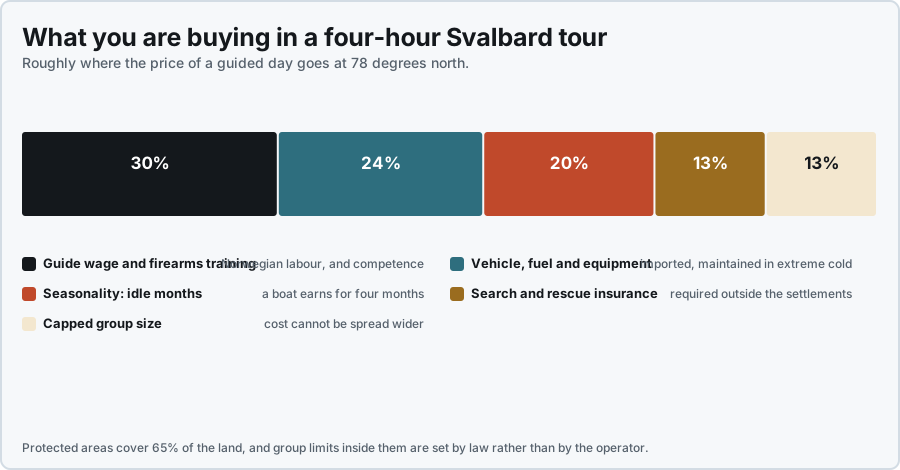
A four-hour aurora chase at $205 looks like a lot for an evening in a minivan until you decompose what the operator is carrying.
| Cost element | Why it exists here and not elsewhere |
|---|---|
| Guide wage | Norwegian labour costs, in a town with a housing shortage |
| Firearms training and licensing | Every guide leaving the settlement carries and must be competent |
| Search and rescue insurance | Required outside the settlements, and Arctic evacuation is expensive |
| Vehicle and fuel | Imported, maintained locally, working in extreme cold |
| Equipment | Thermal suits, crampons, helmets, flotation suits, replaced regularly |
| Seasonality | A snowmobile earns for four months and depreciates for twelve |
| Legally capped group size | Protected areas limit party size, so cost cannot be spread wider |
| Cancellation risk | Priced in, because operators here cancel rather than push |
Protected-area group limits come from the Governor of Svalbard's rules, and the demand side is visible in Svalbard Airport's passenger figures. Those last two lines are the ones people miss. Protected areas cover 65 per cent of Svalbard's land, and the group-size limits inside them mean an operator cannot solve a cost problem by putting more people in the boat. The Pyramiden boat caps at eight. Not because eight is cosy, but because that is what the rules and the vessel allow.
The four-month problem
A boat in Svalbard can sail from roughly late May to late September. A snowmobile can run from roughly late January to mid-May. Neither can do the other's season. Both depreciate for twelve months.
That is the single biggest structural driver of Svalbard pricing and it applies to almost every asset on the archipelago except the coal mine tour, which is underground and runs all year, and which is also, not coincidentally, one of the cheapest listings at $146.
| Asset | Earning season | Idle | Effect on price |
|---|---|---|---|
| Boat | About 4 months | 8 months | High per-trip cost |
| Snowmobile fleet | About 3.5 months | 8.5 months | The most expensive category, $526 to $807 |
| Ice cave access | About 5 months | 7 months | Moderate, and the cave is rebuilt free by the glacier |
| Town tour vehicle | 12 months | None | The cheapest category, from $112 |
Look at that table alongside the season comparison and the pricing across the eight categories stops looking arbitrary. The snowmobile and ice-cave combination is where that arithmetic bites hardest, at about $682 for seven hours: check the tour here. The cheapest year-round listing is the town walking tour at $112, and you can check live availability and prices on GetYourGuide to see what the floor actually buys. Snowmobiles are the most expensive thing on the site because they have the shortest earning window and the highest capital cost. Town tours are the cheapest because they never stop.
Why accommodation is the real problem
Building in permafrost is expensive and slow. The town has limited land, a housing shortage for its own residents, and rising visitor numbers. There is no hostel tier, no budget chain, and no overflow capacity to absorb a busy week.
The result is a floor rather than a range. You cannot economise below about £150 a night, and there is no late-availability discounting because there is no spare stock to discount. That is covered properly in where to stay.
Self-catering is the one genuine lever. A guesthouse with a kitchen turns three restaurant meals a day into one, and the supermarket, expensive as it is by mainland standards, is far cheaper than eating out.
What actually saves money
Ranked by how much they save, not by how virtuous they sound.
| Lever | Roughly saves | Cost to the trip |
|---|---|---|
| Travel late September or October | £150 to £400 on flights and rooms | Fewer categories running, more cancellations in September |
| Share a room | About a quarter of the total per person | None |
| Self-cater two meals a day | £120 to £250 over four days | You eat well anyway |
| Hire outer clothing rather than buying | £200 to £400 | None. Hiring is better kit. |
| Book the cheaper tours | Around $100 per tour | Genuinely none. The $112 walking tour is rated 4.7. |
| Book late hoping for discounts | Nothing | High. Group sizes are small and things sell out. |
That last row is worth stating plainly because it is the instinct people bring from other destinations. Svalbard does not discount to fill seats. The Pyramiden boat has eight of them.
The one thing worth paying more for
Time. Not a private upgrade, not a longer tour, but an extra night. Weather cancels tours here often enough that the difference between three days and two is the difference between doing what you came for and not.
An extra night costs about £180. A cancelled tour on a two-day trip costs the trip. That is the best value decision available in a Svalbard budget, and it is the one people most often skip, as how many days you need works through.
Questions about Svalbard prices
Is Svalbard more expensive than mainland Norway?
Accommodation and eating out, yes, noticeably. Alcohol and some goods are actually cheaper, because Svalbard sits outside the EU customs and VAT area. Tours are broadly comparable to Arctic mainland prices for equivalent activities, with snowmobiling the exception because the season is shorter and the terrain more demanding.
Do Svalbard tour prices drop in low season?
Barely. The from-prices are fairly flat across the year because the costs are fixed rather than demand-driven: the guide, the insurance and the equipment cost the same in October as in March. What moves with season is flights and rooms, which is why late September and October are cheaper trips without being cheaper tours.
Why is snowmobiling so much more expensive than everything else?
Shortest earning season of any asset on the archipelago, highest capital cost, most fuel, most maintenance in extreme cold, and a machine per guest rather than a vehicle per group. Day trips run $526 to $807 against a site-wide median of $237. If you want the cost per hour down, the ice cave combination gets you two experiences from one booking.