The Rules Visitors Have to Follow in Svalbard
Svalbard has more rules than most destinations and fewer signs. Most of them exist because of one animal.
 Verified by Lars Hansen, Norway tour specialist covering Arctic Norway and Svalbard
Short answer
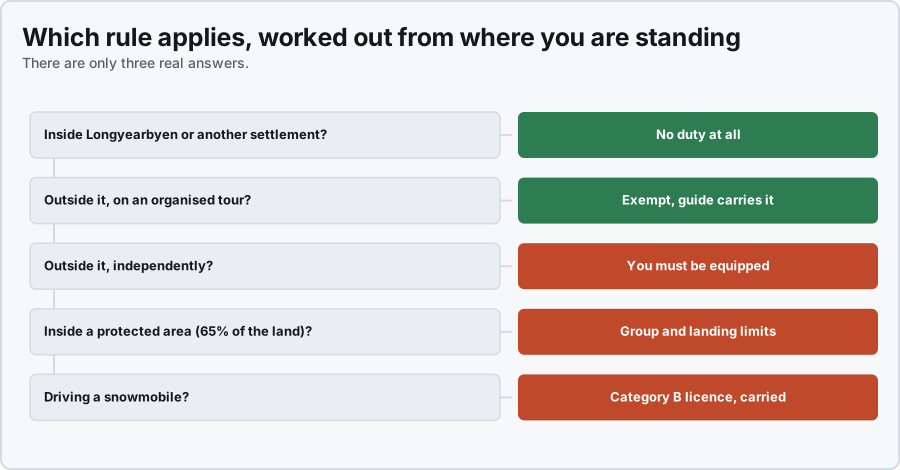
Outside the settlements everyone must take measures against polar bear attack and carry means to frighten one off, but visitors on an organised tour are exempt from that equipment duty because the guide carries it. Minimum distance from a polar bear is 300 metres, rising to 500 metres from 1 March to 30 June. Drones are effectively banned. Snowmobile driving needs a category B licence. Search-and-rescue insurance is required outside the settlements.
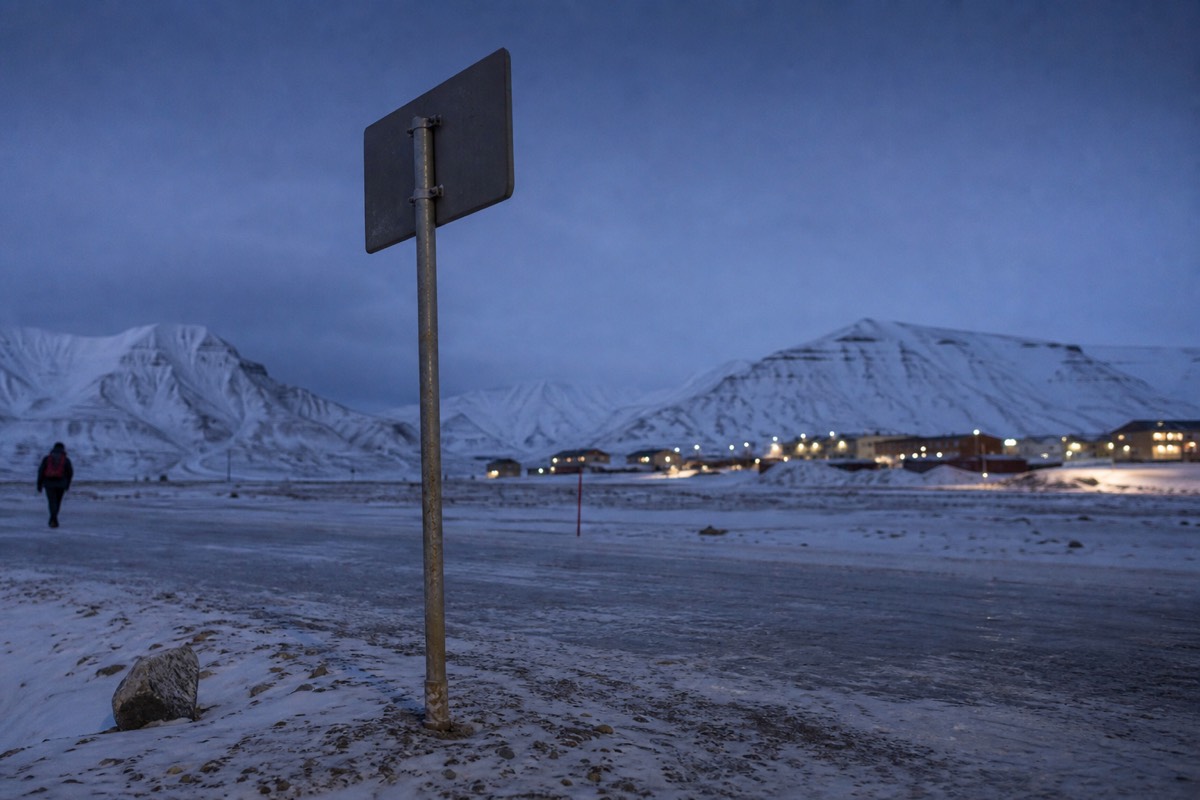
There is a sign at the edge of Longyearbyen with a black bear silhouette on it. It marks the line where ordinary rules stop applying and Svalbard's start. On one side you can wander around like any small Norwegian town. On the other you are legally obliged to be able to frighten off a polar bear.
Almost everything below flows from that one line.
Do you need a guide to leave Longyearbyen?
Effectively yes. Anyone travelling outside the settlements must take necessary measures to avoid polar bear attack and be equipped with appropriate means of frightening one off. Visitors taking part in an organised tour are explicitly exempt from that equipment duty, because the operator carries it. Getting your own firearm permission takes up to eight weeks.
That exemption is the mechanism the entire Svalbard tour industry runs on. A guided hike is not a convenience purchase like it would be in the Alps. It is the legal route to being allowed on the hillside at all.
| Where you are | Can you go alone? | What is required |
|---|---|---|
| Inside Longyearbyen | Yes, freely | Nothing. Walk about like anywhere. |
| Outside the settlement, on an organised tour | Yes | The operator carries the protection and the responsibility |
| Outside the settlement, independently | Only if properly equipped | Means of frightening off a bear, plus the training and permission to carry it |
| Inside a protected area | Restricted | Group-size limits, landing restrictions, and in places outright closure |
The Governor of Svalbard's own firearms guidance sets out who may carry what. In practice, if you are reading this as a visitor, the answer is that you will be booking a guided trip.
What are the polar bear distance rules?
No one may travel or remain closer than 300 metres to a polar bear, rising to 500 metres between 1 March and 30 June. If a bear comes closer, you are required to withdraw and restore the distance. Deliberately attracting, pursuing or disturbing a bear is prohibited outright. These rules took effect on 1 January 2025.
The seasonal increase exists because spring is when females emerge from dens with cubs, and disturbance then has consequences an autumn encounter does not.
| Rule | Requirement |
|---|---|
| Minimum distance, 1 July to 28 February | 300 metres |
| Minimum distance, 1 March to 30 June | 500 metres |
| If a bear approaches you | You must move away to restore the distance |
| Attracting, pursuing, disturbing | Prohibited |
| Walrus haul-outs | 500 metres minimum |
| Bird cliffs, 1 April to 31 August | No drone within 500 metres |
| Breaking fast ice with a vessel | Restricted |
| Landing sites in protected areas | Restricted, with group-size limits |
The full 2025 amendments are published by the Governor of Svalbard. If you want the practical version of what this means for wildlife spotting, the polar bear guide covers it and the wildlife guide covers everything else that lives here.
Can you fly a drone in Svalbard?
Almost nowhere. Drones are prohibited inside Longyearbyen, within 5 km of the airport, throughout every protected area, and within 500 metres of bird cliffs from 1 April to 31 August. Protected areas cover 65 per cent of Svalbard's land, so there is very little legal airspace left.
People bring them anyway and then discover there is nowhere to fly. The Governor's drone page is the authority, and enforcement is taken seriously in a place where disturbing nesting seabirds has real ecological consequences.
If aerial footage is the point of your trip, it is worth knowing this before you pay for excess baggage.
What licence do you need for a snowmobile?
A valid category B car licence, physically carried with you. Motorcycle categories are also accepted. Drivers are typically 18 or over; passenger minimum ages vary by operator. Operators do check, and a photo of your licence on your phone is not sufficient.
If you would rather stay on foot, the gentlest guided way past the boundary is the Bjorndalen valley walk, the best-rated hike on the archipelago at 4.7 across 18 reviews, and you can check availability here. The snowmobile licence trips people up more than the bear rules do, because nothing about booking a snowmobile tour online prompts you to pack a driving licence for a holiday where you are not renting a car.
| Requirement | Detail |
|---|---|
| Licence | Category B (car), carried physically |
| Also accepted | A, A1, A2, S categories |
| Minimum age to drive | Typically 18, set by the operator |
| Passengers | Younger permitted on some tours, varies widely. Ask before booking for a family. |
| Alcohol | Norwegian drink-driving limits apply to snowmobiles |
| Supplied by the operator | Machine, fuel, thermal suit, boots, gloves, helmet |
If you do not hold a licence you can still ride as a passenger, which costs less and is warmer. The most-reviewed winter pairing on the site combines a snowmobile with an ice cave, and you can check live availability and prices on GetYourGuide to see the operator's own licence wording before committing.
What insurance do you need?
Cover for search, rescue and medical transport is required for travel outside the settlements. On an organised tour the operator's own cover normally applies. Independent trips beyond the Longyearbyen management area additionally require notification to the Governor in advance, with proof of insurance.
Svalbard has no hospital capable of major treatment. Evacuation means a flight to Tromso, and the cost of an unplanned Arctic rescue is why the requirement exists rather than being advisory.
Ordinary travel insurance often excludes exactly this. If you are doing anything beyond town under your own steam, read the policy wording for search-and-rescue and Arctic exclusions before you go, and check the visa and insurance guide for how the notification requirement works.
What else is prohibited or restricted?
Taking anything historical, feeding or approaching wildlife, leaving marked areas inside reserves, and lighting fires on the tundra. Svalbard also protects cultural remains from before 1946 automatically, which covers a startling amount of what looks like litter.
| Rule | What it means in practice |
|---|---|
| Cultural heritage before 1946 is protected | Old timber, cans, bones and mining debris are legally protected artefacts. Look, photograph, leave. |
| No collecting | Fossils, plants, antlers, eggs and rocks in protected areas all stay where they are |
| No feeding or approaching wildlife | Including the reindeer that will walk right past you |
| Shoes off indoors | Not a law, a universal custom from the coal-dust era. Observed everywhere including museums. |
| Fires and camping | Restricted, and prohibited outright in parts of the protected areas |
| Cruise landing sites | Restricted to designated sites in protected areas, with group-size caps |
The shoes-off habit is the one visitors find strangest and it is genuinely non-negotiable in guesthouses, museums and some restaurants. Pack socks you are happy to be seen in.
What are the rules on cultural and natural heritage?
Everything from before 1946 is automatically protected, which covers a startling amount of what looks like ordinary debris, and you may not collect fossils, plants, antlers, eggs or rocks in the protected areas. The rule that surprises people is the first one: old timber, cans, bones and mining machinery scattered across the landscape are legally protected artefacts, not litter, and moving them is an offence.
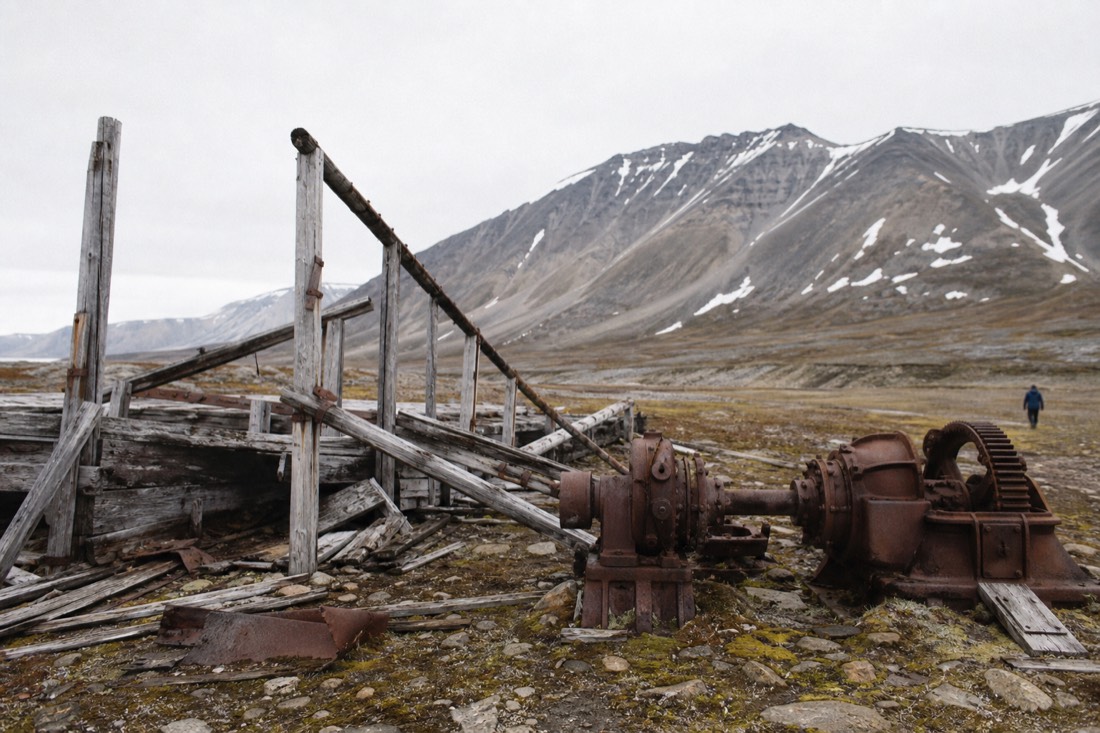
Svalbard treats its own recent past as heritage in a way few places do, and the practical effect is that you look and photograph but leave everything where it lies.
| What | Status | What it means for you |
|---|---|---|
| Any structure or object from before 1946 | Automatically protected | Do not touch, move or take; photograph only |
| Fossils and plants in protected areas | Protected | Leave them; collecting is prohibited |
| Antlers, eggs, bones | Protected | Leave them, however tempting a souvenir |
| Mining debris and old timber | Often pre-1946 heritage | Not litter; legally protected |
The 1946 line catches people because the debris genuinely looks like rubbish. On a settlement tour your guide will point out which rusting object is a protected artefact, and the honest answer is usually "most of them".
How do the rules differ for cruise passengers?
More tightly in some respects, because the 2025 amendments introduced landing-site restrictions and group-size limits inside the protected areas that bear directly on ship excursions. The wildlife distances apply to everyone, but a cruise also faces rules on where it may put people ashore and how many at once, which is why expedition itineraries are less flexible than they used to be.
If you are arriving by ship rather than staying in Longyearbyen, the compliance picture shifts, and your expedition team handles most of it, but the obligations are personal as well as corporate.
| Rule | Applies to day visitors | Applies to cruise passengers |
|---|---|---|
| Polar bear and walrus distances | Yes | Yes |
| Drone bans | Yes | Yes |
| Designated landing sites in reserves | Rarely relevant | Directly relevant |
| Group-size limits ashore | Via tour operators | Enforced on landings |
| Notification for remote travel | For independent trips | Handled by the operator |
The landing-site and group-size rules are the newest layer, in force since 1 January 2025, and they are the main reason a modern Svalbard cruise runs a more constrained shore programme than one from a few years ago.
What happens if you break the rules?
Enforcement is real and taken seriously. The Governor of Svalbard investigates every polar bear killed, fines and prosecutes wildlife-disturbance and drone offences, and can require anyone travelling improperly equipped to turn back. This is not a place where the rules are decorative, because the environment is fragile and the consequences of a mistake, to you or to the wildlife, are severe.
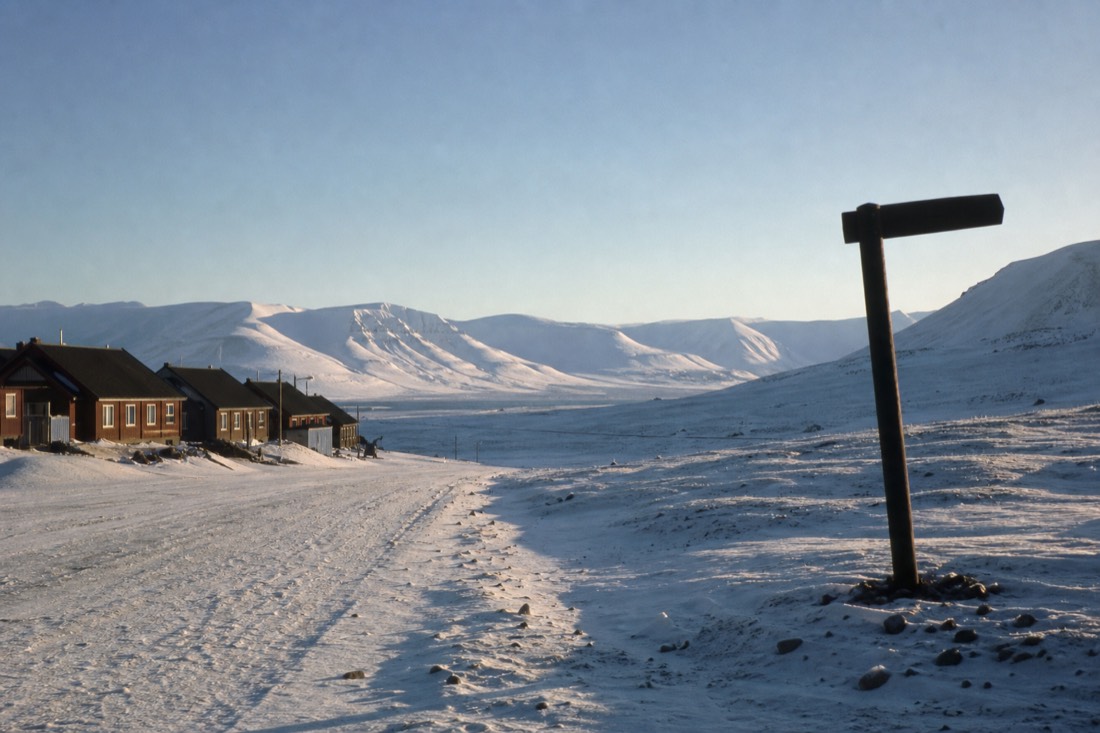
Understanding that the rules have teeth changes how you approach them: they are not advisory guidelines but enforced law in a small jurisdiction where the authorities know what is happening.
| Offence | Likely consequence |
|---|---|
| Disturbing or approaching wildlife | Fine, prosecution for serious cases |
| Flying a drone where prohibited | Fine, confiscation |
| Killing a polar bear | Formal investigation, every time |
| Travelling outside settlements improperly equipped | Required to turn back; liability for any rescue |
| Taking protected artefacts | Prosecution |
The practical takeaway is not fear but respect: join organised tours, keep your distance, leave things where they are, and the rules never become your problem. The guide requirement exists precisely because a licensed operator carries the compliance for you, as the guide guide explains.
What Lars tells first-time visitors about the rules
Book guided, keep your distance, and treat the settlement boundary as a hard line. Almost every rule that trips visitors up dissolves the moment they join an organised tour, because the operator carries the protection, the insurance and the compliance. The visitors who get into trouble are the ones who tried to save money by going out alone.
Lars verifies these rules against the Governor of Svalbard and Visit Svalbard rather than from personal enforcement experience, and the consistent thread he draws out is how much simpler a Svalbard trip becomes once you accept the guided model rather than fighting it.
His plain advice:
- Do not try to leave town on your own. The firearms permission takes weeks and the guided alternative is better anyway.
- Carry your driving licence if you have booked a snowmobile; operators check, and a phone photo is not accepted.
- Leave the drone at home. With 65 per cent of the land protected there is almost nowhere legal to fly it.
- Treat old debris as protected. If it looks like it has been there since the mining days, it probably has, and it is not yours to take.
Common questions about Svalbard's rules
Is it safe to walk around Longyearbyen at night?
Yes, and the crime rate is close to nonexistent. The risk in Svalbard is environmental rather than social: the settlement boundary, the weather and the cold. In polar night "night" is a meaningless word anyway, and people walk about at all hours because the clock is the only thing telling them what time it is.
What happens if a polar bear approaches my tour group?
The guide's job is to prevent it getting that far, and their training is about deterrence. The escalation runs from moving the group away, to noise, to flare pistols, with the rifle as a genuine last resort. Killing a bear triggers a formal investigation by the Governor every single time, which is why guides are conservative about route choice long before anything is sighted.
Do the rules apply to cruise passengers?
Yes, and in some respects more tightly. The 2025 amendments introduced landing-site restrictions and group-size limits inside protected areas that bear directly on ship-based excursions, alongside the same wildlife distances that apply to everyone. Your expedition team handles the compliance, but the obligations are personal as well as corporate.
Can I go hiking alone if I stay close to town?
Only inside the settlement boundary, which is closer in than the scenery suggests. The moment you cross it the polar bear protection duty applies, and "I was only going up the hill" is not an exemption. Every hike on our hiking page is guided for exactly this reason, including the ones that start at the edge of town.
Are the rules different in summer and winter?
The polar bear minimum distance rises from 300 to 500 metres between 1 March and 30 June, and the drone ban near bird cliffs applies from 1 April to 31 August. Everything else runs year-round. The practical difference between seasons is less about rules and more about which activities the conditions allow, which the season comparison lays out month by month.